
Why Cannabis Purity Matters
Fungus, Heavy Metals, and the Overlooked Variable in Long-Term Health Risk

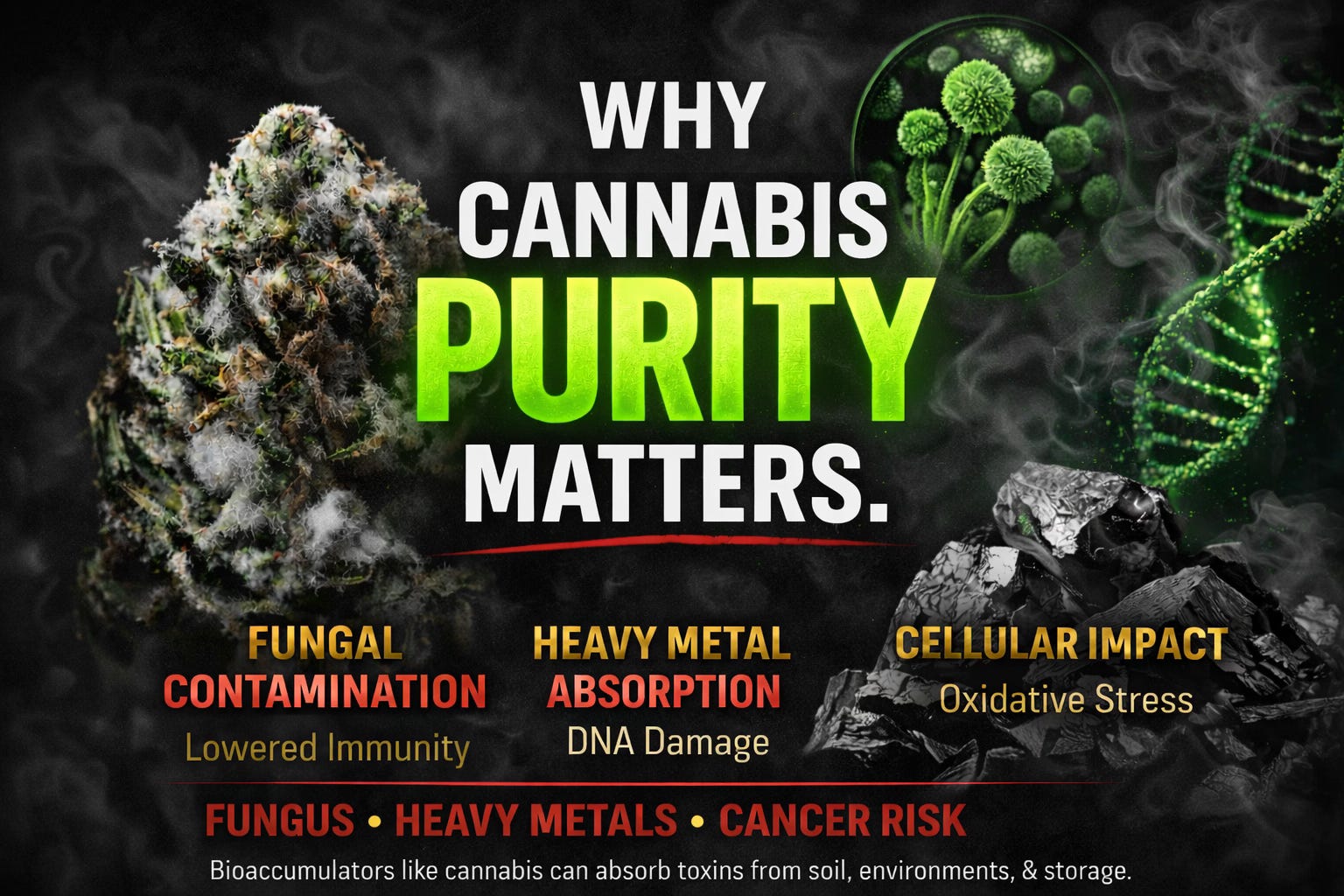
Cannabis is no longer fringe.
It is a multi-billion-dollar industry, legalized in many states, normalized culturally, and increasingly integrated into medical and recreational use.
Most conversations focus on:
THC percentage
Terpene profiles
Strain differentiation
Market growth
But a far more important question receives less attention:
What about purity?
Cannabis Is a Bioaccumulator
Cannabis plants are known bioaccumulators — meaning they readily absorb compounds from their environment.
This includes:
Heavy metals such as lead, cadmium, arsenic, and mercury from soil
Fungal contaminants during cultivation or storage
Residual solvents or processing byproducts
Environmental pollutants
Unlike some crops, cannabis is often inhaled. That changes the exposure equation.
When contaminants are combusted or aerosolized, they may:
Enter pulmonary circulation rapidly
Bypass certain first-pass metabolic processes
Contribute to cumulative toxic burden
The conversation shifts from preference to physiology.
Fungal Contamination: A Hidden Risk
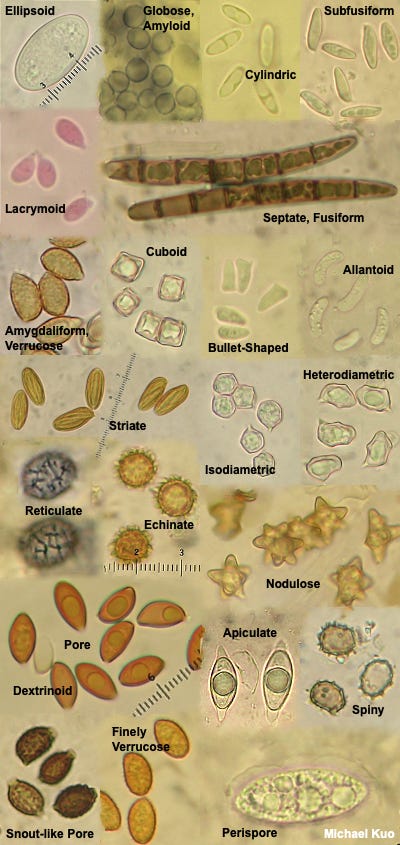

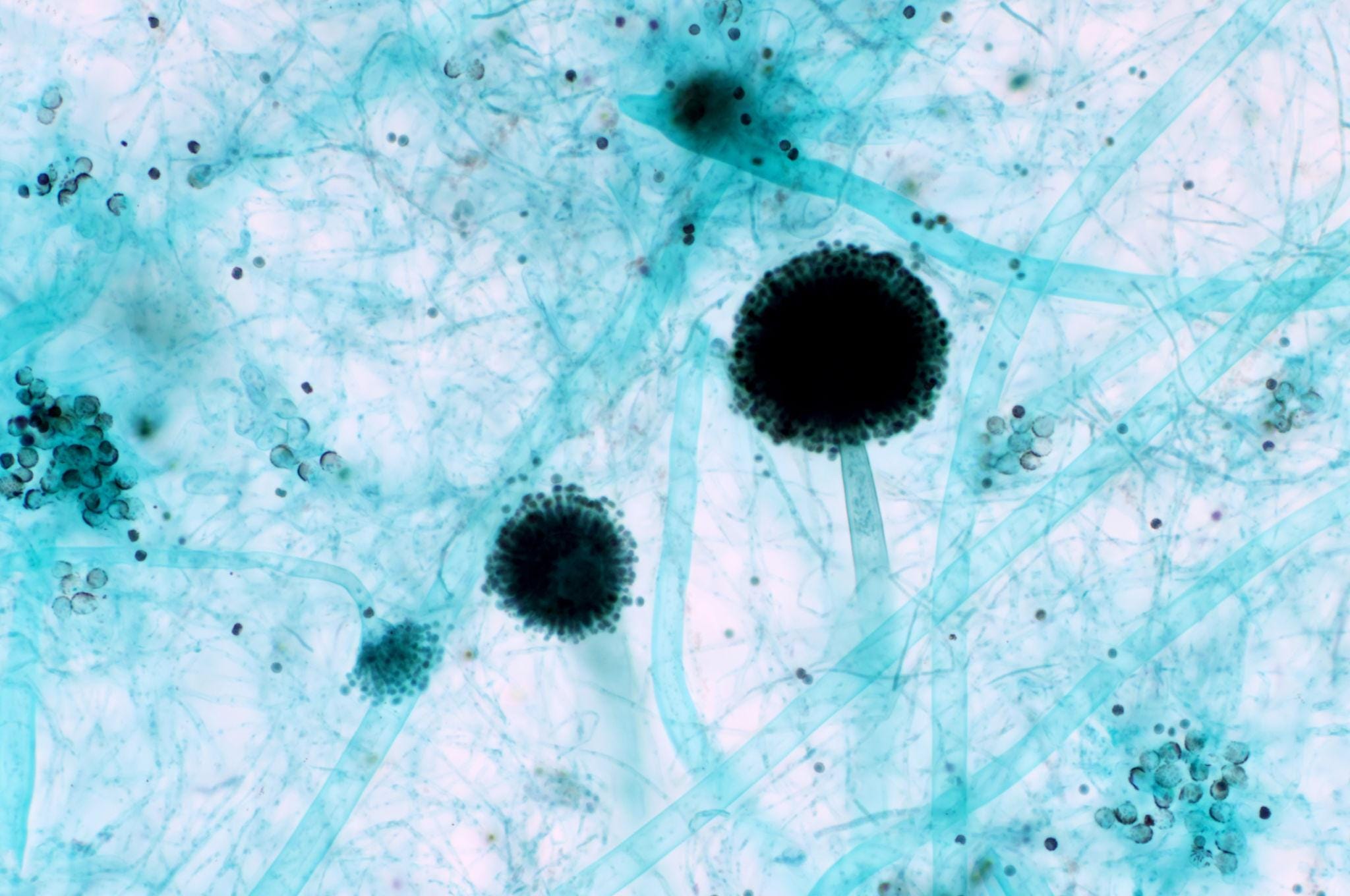
Improper drying, storage, or cultivation conditions can introduce fungal contamination.
Certain species — including Aspergillus — have been detected in contaminated cannabis products.
For immunocompromised individuals, inhalation of fungal spores can present serious risks. Even in healthy individuals, chronic exposure may contribute to inflammatory or immune stress responses.
This is not hypothetical. It is measurable.
Heavy Metals: Soil to Smoke

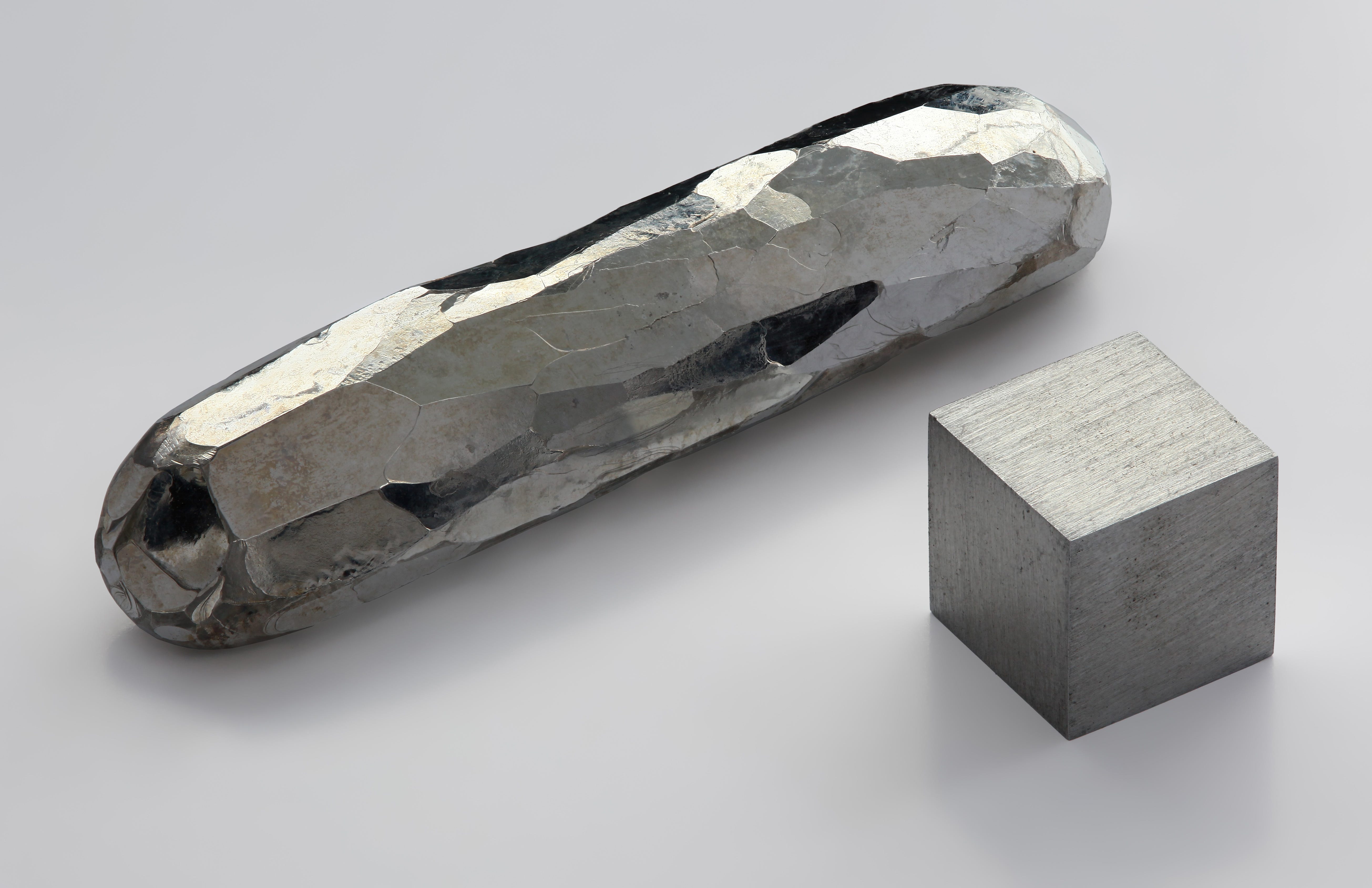
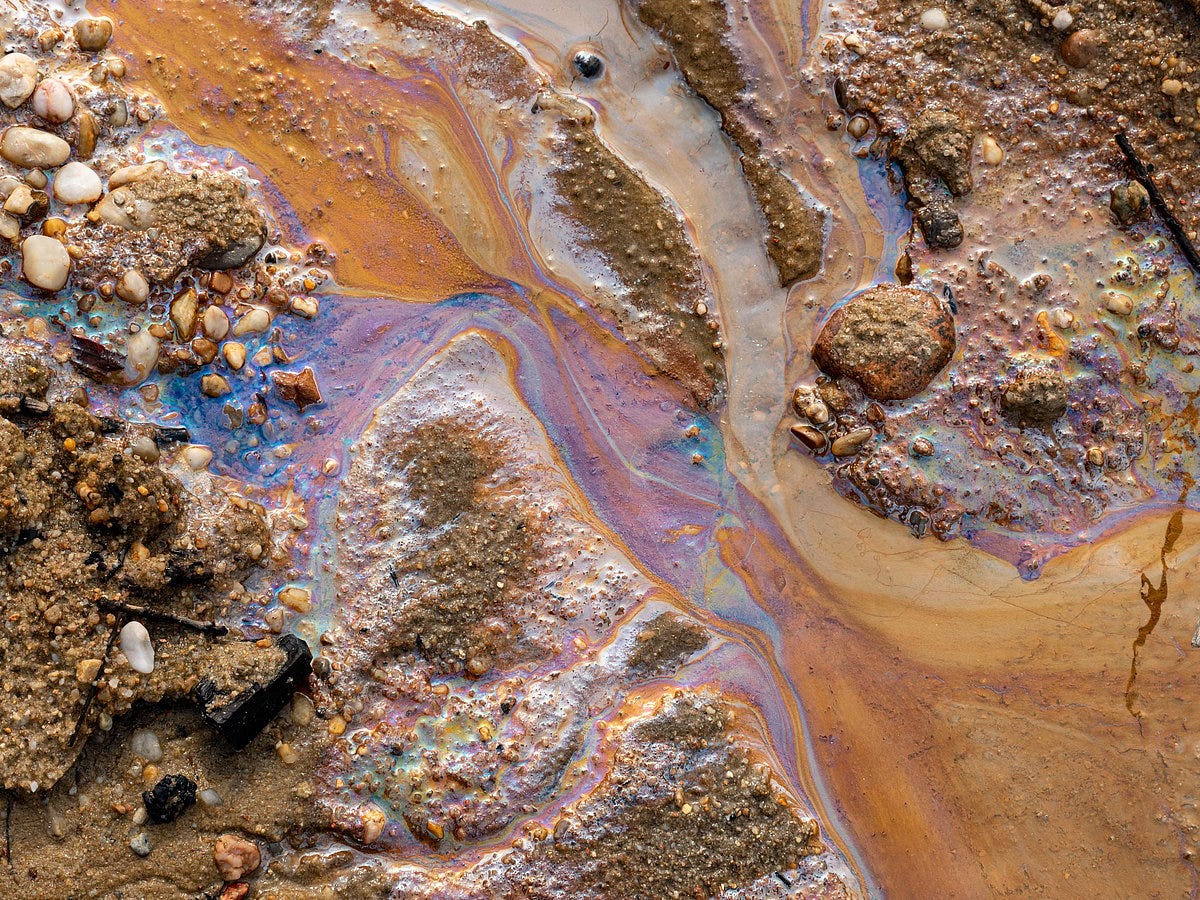
Heavy metals persist in soil for decades.
If cannabis is cultivated in contaminated environments, these metals can be absorbed into plant tissue.
Chronic exposure to heavy metals has been associated in scientific literature with:
Oxidative stress
Mitochondrial dysfunction
DNA damage
Epigenetic modification
Risk is dose-dependent. Frequency matters. Duration matters.
As legalization expands, so does cumulative exposure potential.
The Cancer Question: Mechanism vs. Alarmism
It is important to be precise here.
Contamination does not equal causation.
However, from a biological standpoint:
Chronic exposure to oxidative stressors and genotoxic agents can contribute to:
Cellular instability
Immune dysregulation
Microenvironment changes
Cancer risk is multifactorial. But environmental exposures are one piece of the equation.
If contaminants are present, and exposure is repeated, the scientific question becomes:
What is the long-term biological impact?
That is a research question — not a political one.
Regulatory Gaps and Testing Variability
Testing standards vary widely by state and jurisdiction.
Some regions mandate heavy metal and microbial testing.
Others have evolving or inconsistent enforcement.
As market demand increases, cultivation speed and scale may outpace oversight.
In a precision medicine era, that gap matters.
The Precision Medicine Perspective
At Neo
7Bioscience, we view exposure science through a transcriptomic lens.
Environmental inputs influence biological outputs.
If we can measure gene expression changes, inflammatory markers, and cellular stress responses, we can begin to quantify impact rather than speculate.
Purity becomes:
A toxicology issue
A public health issue
A cellular biology issue
The next frontier isn’t fear.
It’s measurement.
Moving the Conversation Forward
This is not a call for panic.
It is a call for data.
As cannabis use becomes normalized, we need:
Standardized contamination testing
Transparency in cultivation practices
Longitudinal research on cumulative exposure
Integration of toxicology with precision diagnostics
Because potency may drive sales —
But purity drives biological impact.
Final Thought
The question is no longer whether cannabis is mainstream.
It is whether our safety standards are keeping pace with our consumption.
If we are serious about health innovation, we must ask better questions — and follow the data wherever it leads.
For more information: